Quantum Healthcare
Delivering the future of early disease diagnosis and treatment
Current imaging technologies
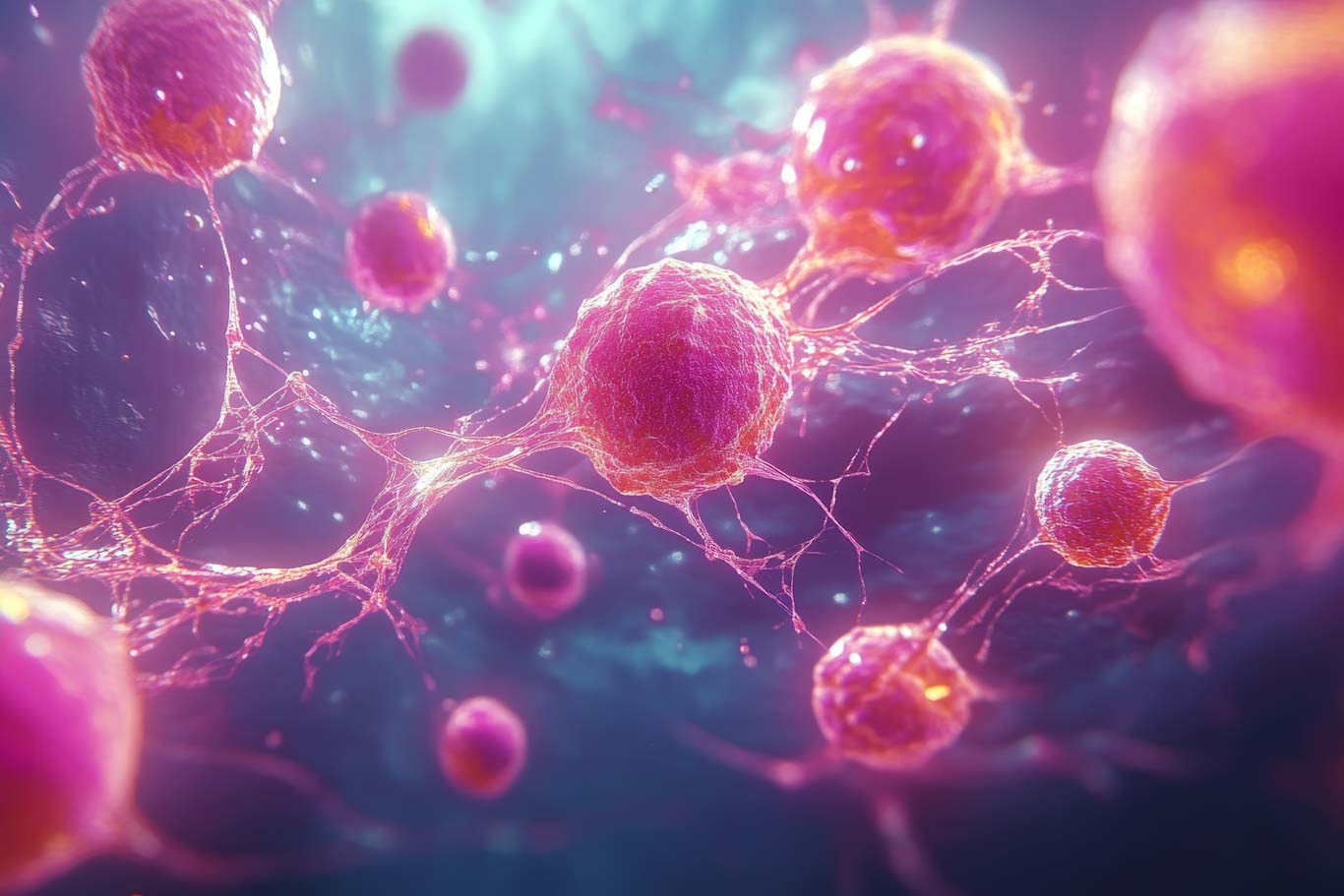
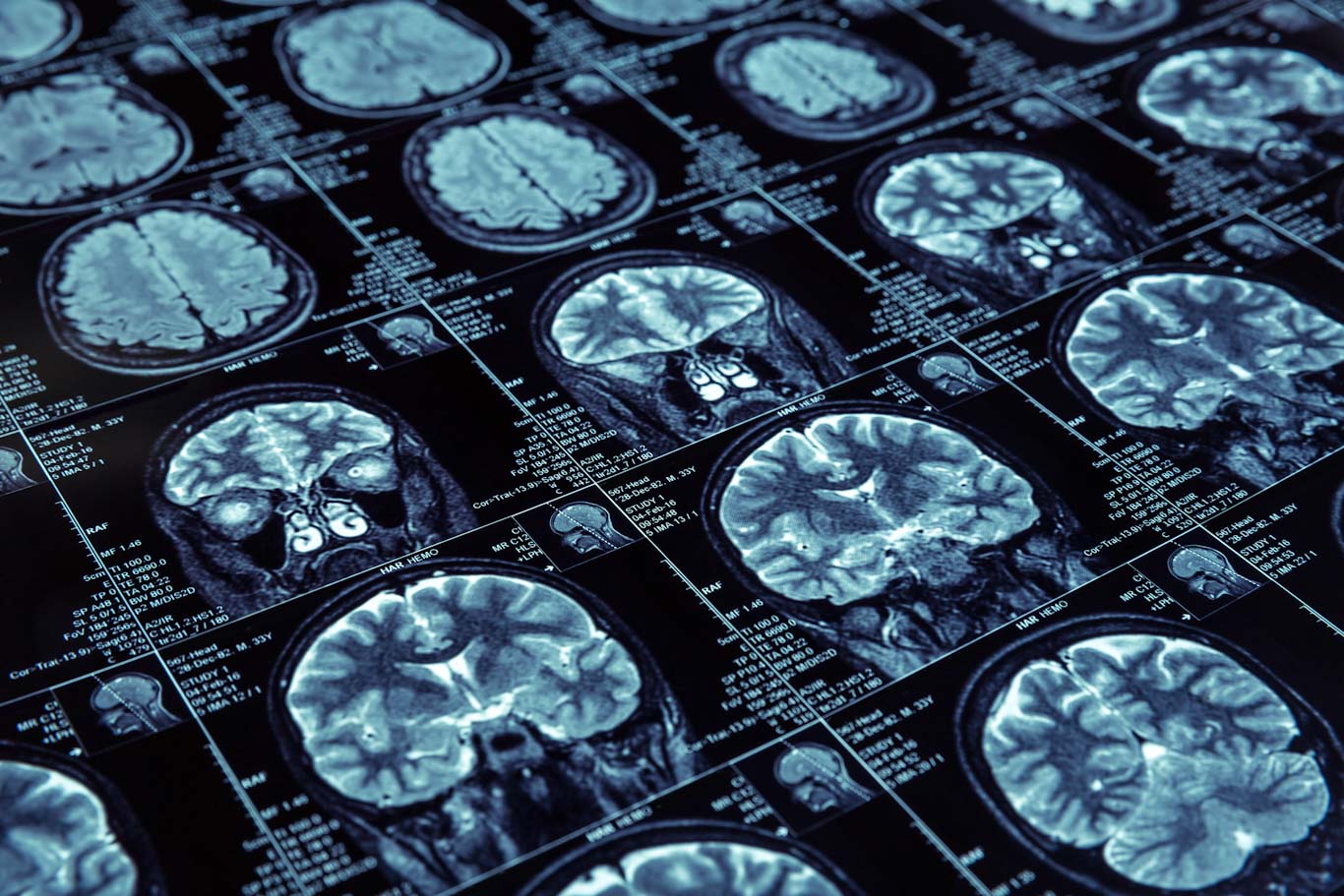
Current imaging modalities, such as magnetic resonance imaging (MRI) and magnetoencephalography (MEG) are limited by low amplitude signals, leading to long (and therefore expensive) imaging times to provide the required sensitivity to diagnose diseases such as cancer, heart disease and Alzheimer's disease.
About the Hub
The Quantum Biomedical Sensing (Q-BIOMED) Research Hub is a multidisciplinary collaboration at the forefront of biomedical innovation. Uniting world-leading expertise in quantum science and biomedicine from six universities, NHS trusts, and a network of charity, government, and industry partners, our mission is to pioneer the next generation of quantum sensors to revolutionise the early diagnosis and treatment of diseases such as cancer, Alzheimer’s and cardiovascular disease.
Better diagnosis
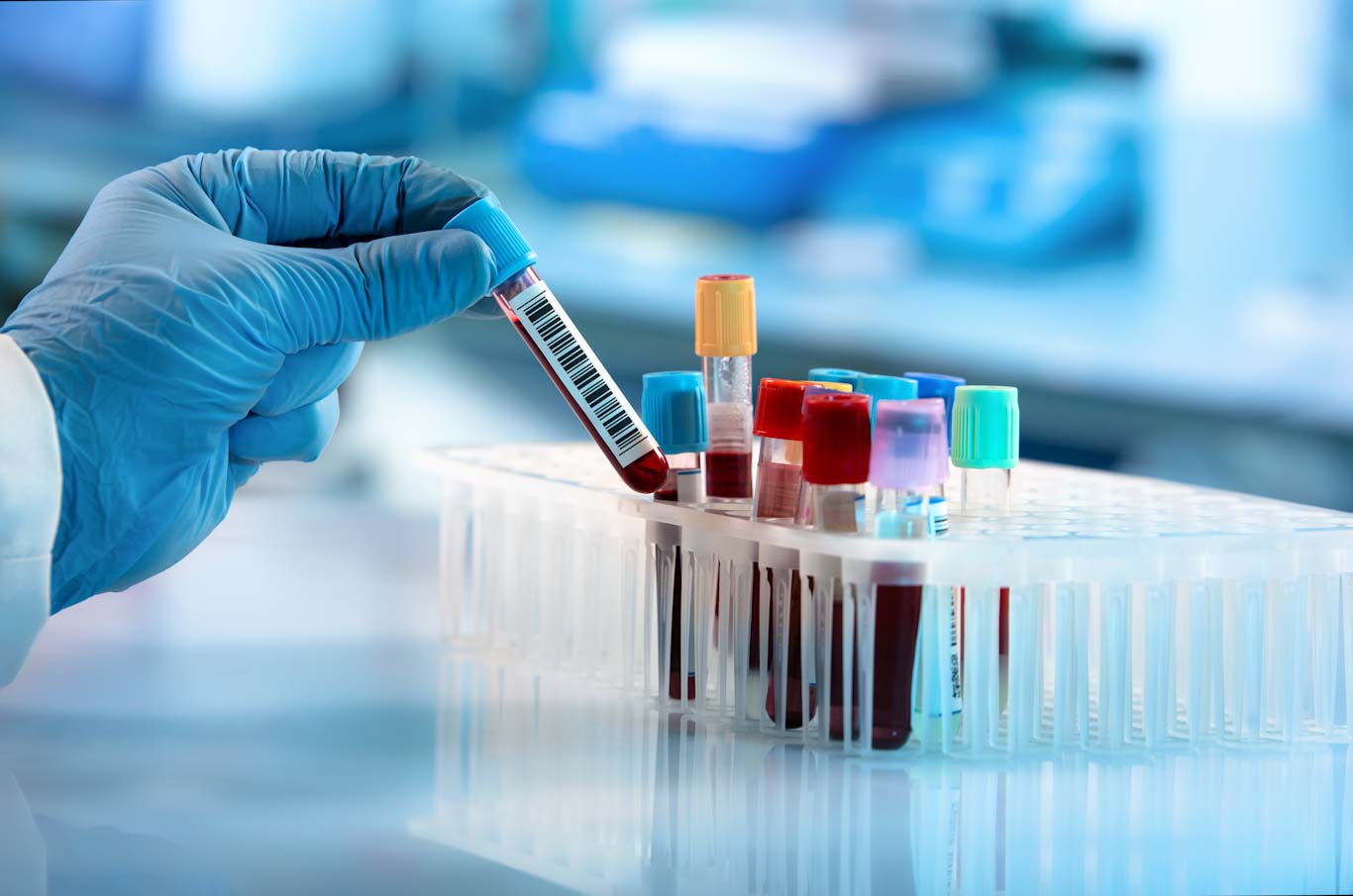
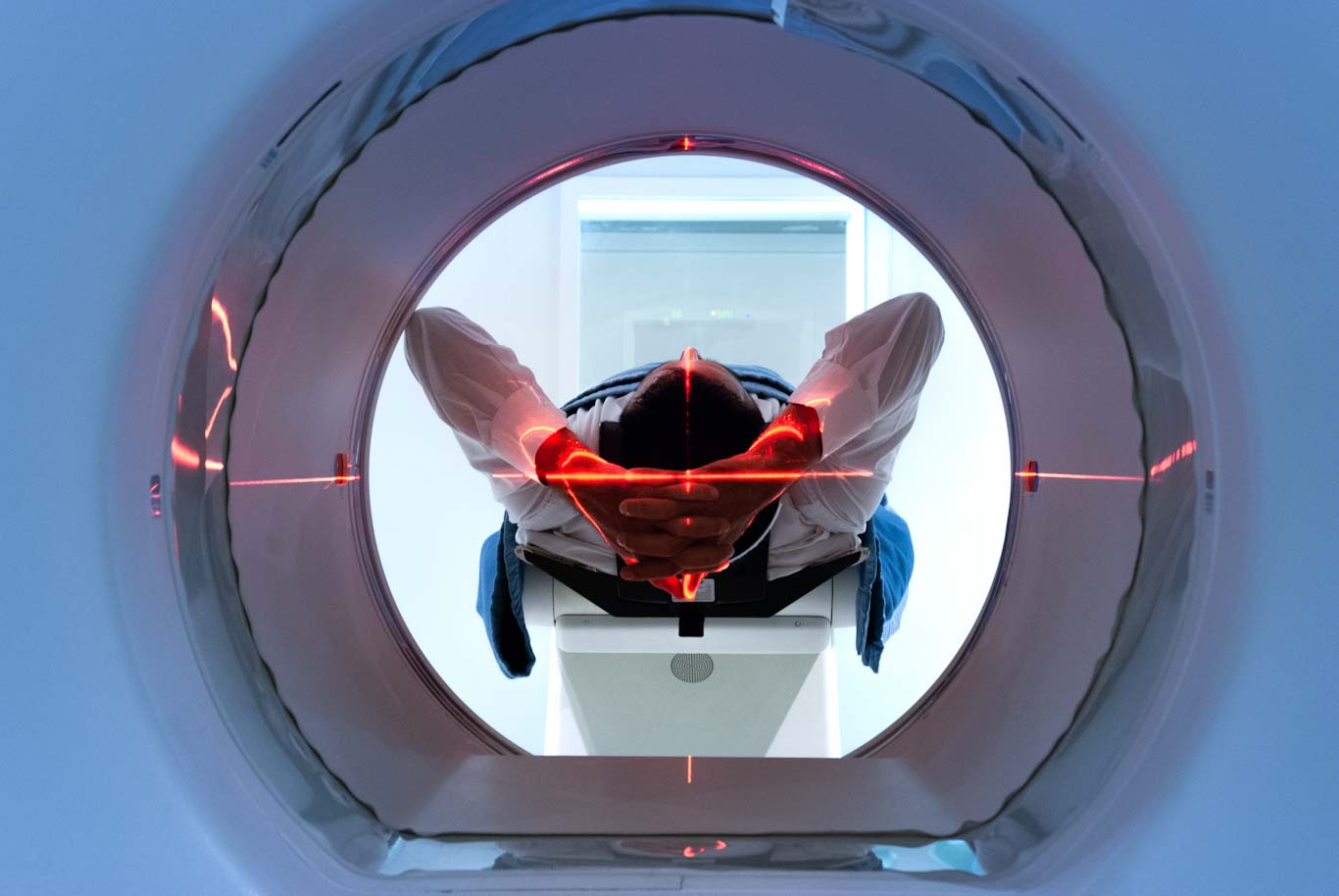
Earlier diagnosis, through ultra-sensitive blood tests, faster MRI scan times, and improved access through lower costs and portable instruments, could offer a paradigm shift in healthcare. Catching diseases like cancer earlier will allow for more rapid medical interventions. Ultimately, this could translate to better patient outcomes and help reduce waiting lists, easing pressures on the NHS.
What are we doing in the UK?

The UK National
Quantum Strategy
The UK government has a well developed National Quantum Strategy. One of five quantum missions announced in December 2023 is to ensure that by 2035, there will be accessible, UK-based quantum computers capable of running 1 trillion operations and supporting applications that provide benefits well in excess of classical supercomputers across key sectors of the economy.

The UK Quantum Biomedical Sensing Research Hub
The UK Quantum Biomedical Sensing (Q-BIOMED) Research Hub aims to develop a new generation of quantum sensors to enable earlier diagnosis and treatment for diseases including cancer and Alzheimer's disease.

The UK National Quantum Technologies Programme
Launched in 2014, and backed by the Government’s £2.5bn National Quantum Strategy, the NQTP builds on a decade of experience to enable the UK to be a leading quantum-enabled economy by 2033, with a world leading sector, where quantum technologies are an integral part of the UK’s future digital infrastructure and advanced manufacturing base, driving growth and helping to build a thriving and resilient economy and society

Frequently asked questions
Confused about what quantum communications is all about?
Check out these FAQs...
As with any new technology, there are some concerns regarding the misuse of quantum communications technologies by various hostile actors. However, governments are seeking to mitigate against this by putting in place appropriate regulations regarding import, export and use, analogous to the regulations that already exist for conventional security technologies. It is widely acknowledged that the benefits of these new technologies very much outweigh the risks.
Conventional asymmetric cryptography underpins the world’s public-key infrastructure (PKI) and is very widely used in current cyber security. Unfortunately, it is now known that current PKI could be cracked in the future by quantum computers, and sensitive, conventionally encrypted data, can no longer stay secure. Therefore, new encryption and decryption methods are needed that are not vulnerable to quantum computer attacks. One approach is to utilise cryptographic techniques that are “quantum safe” (safe in a future quantum world where all manner of quantum technologies exist). Then the security of communications is determined by the security of the key distribution mechanism. This is where quantum technology comes in – it provides a secure method of quantum key distribution (QKD).
Quantum Key Distribution is a provably secure method of distributing encryption keys. In QKD, encryption keys are physically distributed using a sequence of quantum light signals, or photons, whose quantum states are each assigned randomly to represent a 0 or a 1. This physical approach means the key cannot be cracked mathematically. It is also impossible to copy or steal the key in transit, since quantum mechanics dictates that any observation will disturb the quantum state – which can be detected by the receiver.
Quantum communications technologies will be integrated within our current communications infrastructure but will not replace it, they will augment existing technologies. Clearly the objective is high-speed, flexible, transparent, user-friendly communications that are secure in a future quantum-enabled world, so quantum and conventional communications technologies will be deployed in combination to provide the best possible solution for this.